

Hi there! 🙋♀️
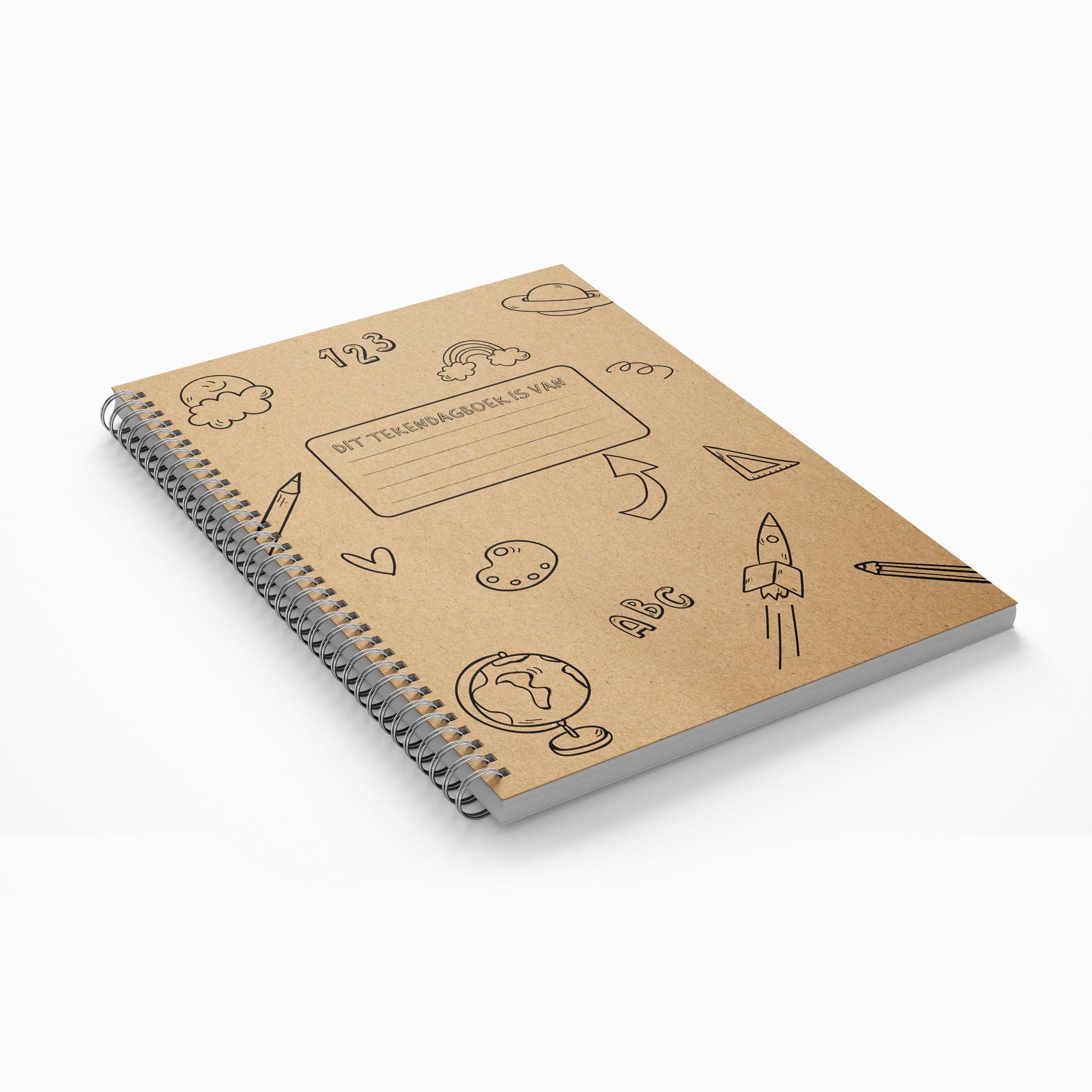
How exciting, your child has received the Drawing Diary!
You might be wondering, ‘Why is there also a message for parents?’ Simply because I believe that the Drawing Diary will be even more successful and impactful if you know ‘what’s in it for you.’
It’s important for you to know:
- What the benefits are of drawing in the Drawing Diary.
(Click here and discover the benefits right away) - How you can help your child make the most out of the Drawing Diary.
(Click here and go directly to the section on helping your child) - How to have a constructive conversation about the drawings your child makes in the diary.
(Click here and immediately read the section on having a conversation) - What you can do to strengthen the connection between you (including drawing exercises).
(Click here for the connection section) - Cool materials to use with the Drawing Diary.
(Click here for the materials section) - What you can do to better understand your child’s drawings.
(Click here and discover more about understanding drawings)
That’s precisely what I’ve compiled for you on this page.
Click above on the topic you’d like to read, or scroll through the page.
Kind regards,
Eveline
Benefits of drawing in the Drawing Diary
Drawing has many benefits for every individual. Yes, even for you. But on this page, I focus on the benefits of daily drawing in the Drawing Diary for children.
Here are a few:
- Expressing their emotions: Non-speakers may experience more intense emotions than other children. By drawing, they bring their inner world outward and can express these emotions in a safe manner.
- Creative outlet: Drawing can provide an outlet for highly sensitive children who may not always feel understood. They can create their own world on paper and let their imagination run wild. And that’s nice when you experience that world ‘a little differently’ than many others.
- Reduces stress: Non-speakers can quickly become overwhelmed by the world around them. Drawing can have a calming effect and help reduce stress. The stimuli that come in find a place on paper instead of staying in the body or building up. This is also why it’s worth taking drawing supplies with you when you go out or have to wait somewhere or do something exciting.
- Reflection: By drawing daily in a drawing diary, your child can reflect on their emotions and experiences. This can help them become more self-aware and better understand their feelings. Especially when you discuss the drawings.
- Development of motor skills: By drawing regularly, children can improve their motor skills and hand-eye coordination.
- Improved concentration: Focusing on drawing can help your child calm their thoughts and concentrate better on other tasks.
In short, it’s great to draw daily in the Drawing Diary! A valuable activity for children, as it helps them express emotions, develop creativity and motor skills, reduce stress, reflect on their feelings, and improve concentration.
Of course, you prefer that your child draws neatly in their drawing diary every day to put their inner world on paper and discharge a daily portion.
I understand that. There are certainly children who do this. However, in my experience, most children draw in their Drawing Diary when they feel the need or when reminded to do so.
It’s best if a rhythm develops so that you create a habit for or with your child where the Drawing Diary has a fixed place. To encourage this, I have listed some tips for you.


Tips for optimal use of the Drawing Diary
- Create a calm and inviting space: Ensure a comfortable and peaceful place where the child can focus on the diary without distractions. Ideally, provide a dedicated spot where they can work undisturbed. Let your child personalize it with items of special significance, such as a jar of beautiful pencils, a special glitter pen, a lovely stone, a photo…
- Establish a daily or weekly routine: Encourage the child to work on the diary at set times, such as before bedtime or after school. A consistent time of day helps form a habit of using the Drawing Diary. Your child may initially need your support to establish this rhythm. It’s helpful if you support them, but don’t pressure them. If your child doesn’t want to draw, that’s okay too. Follow your child’s lead. However, drawing yourself may encourage them…
- Be patient and non-judgmental: Allow the child time to explore their emotions and experiences without pressure or judgment. Let them draw whatever they want and trust that it’s okay for that to appear on paper.
- Provide positive reinforcement: Encourage the child by giving positive feedback on their efforts and drawings. It’s important to provide feedback on the process, not just the result.
- Make it a joint activity: Occasionally, work on the diary together with the child, such as by drawing together or reflecting on the drawings. Get yourself a Drawing Diary or do one of the exercises together later in this appendix. Maybe you could talk about the drawing your child made every day. Note that not all children may enjoy this. After all, it’s a diary. It’s primarily for you and no one else. Does your child not want to share their drawings? Respect that.
- Be open to emotions: Let the child know that all emotions are important and can be expressed in the diary.
- Use the diary as a means of communication: Encourage the child to use the diary as a way to share feelings and experiences that they may find difficult to put into words. Emphasize that the Drawing Diary belongs to them and that others will not just look at it without permission. Only if your child indicates so.
- Respect privacy: While it’s important to be involved, also respect the child’s privacy and only look at the drawings if the child gives permission.
- Learn from your child: Use the diary as a way to learn more about your child’s inner world and to increase your own emotional intelligence and empathy.
- Discuss the drawings: If the child is open to sharing their drawings, discuss them in an empathetic and curious manner. Further tips on how to engage in conversations with your child about the drawings are provided below
When your child is open to it, discussing the drawings with them can be helpful. There are some important do’s and don’ts to keep in mind.
Discussing the Drawings
Effective communication with children is crucial. It helps you understand your child better and allows your child to feel truly seen and heard. As a result, your child feels understood and the likelihood of overstimulation decreases. Discussing the drawings in the Drawing Diary can greatly assist in achieving this.
It’s important that your child is open to discussing their drawings. Some children may not want to talk about their drawings. Perhaps your child prefers to keep the drawings to themselves. And that’s perfectly fine.
I can imagine you might find it disappointing if that’s the case for you. What matters most is that your child engages with the drawing diary and does so in their own way.
If your child is open to conversation, here are some tips and tricks to help you communicate effectively and empathetically with your child:
- Choose the right moment: Find a quiet moment when both of you are relaxed and have enough time to talk. A fixed routine or time of day (such as before bedtime) can help establish a habit of using the drawing diary and processing daily events.
- Listen actively: Let the child lead the conversation and listen attentively without interrupting. Give non-verbal signals that you are listening, such as nodding or making eye contact.
- Ask open-ended questions: Ask questions that invite the child to think deeper and share more about the drawing, such as “Can you tell me about this drawing?” or “How did you feel when you drew this?” Open-ended questions give your child the space to literally and figuratively tell their story. When a child shares, it’s good to ask follow-up questions: ‘and then what happened?’. Often, children aren’t done talking right away, and there’s more to come. Sometimes you can ask ‘and then?’ ten times until your child says ‘and then nothing’.
- Show empathy: Show understanding for the child’s emotions and experiences. For example, say: “It seems like you felt sad when you drew this, is that correct?”
- Avoid judgments: Don’t make judgments about the drawing or the emotions expressed by the child. Focus on understanding and validating their feelings. It’s not about what you think, but about your child’s experience and perception.
- Validate their feelings: Acknowledge and validate the child’s emotions, even if you disagree or don’t understand. For example, say: “It’s okay to feel that way” or “Everyone feels … sometimes, would you like to tell me more about it?”.
- Provide support: Ask the child how you can help or what they need to feel better. Also, offer to look for solutions together if necessary.
- Use positive reinforcement: Thank the child for their openness and courage to share their feelings and express their creativity in their drawings.
- Encourage self-reflection: Help the child make connections between their drawings, feelings, and experiences. Ask questions like: “How was it for you when that happened?” or “Is there something you would have done differently? How would you like to handle this situation?”
- Respect privacy: If the child indicates that they don’t want to talk about a particular drawing or feeling, respect that and don’t insist. Let them know that you’re always there to listen when they’re ready to talk.
I could give you a thousand tips for talking to your child (figuratively speaking 😏), but what it really comes down to is that you’re truly present with your full attention. Trust me, children can sense when that’s not the case. If you can’t manage it, be honest about it and agree with your child on another time to have a conversation and stick to that agreement.
Meanwhile, your child can get started with the Drawing Diary. For that, it’s nice if they have the best drawing materials they could wish for 😄. As you know, that’s easier said than done. Children can sometimes have difficulty with certain materials that smell strange, feel uncomfortable, or sound annoying. To help you get started, I’ll make some recommendations for materials for (highly sensitive) children.
Materials List
As mentioned, children can have heightened reactions to sensory stimuli from the materials they use. A smell can quickly be perceived as ‘gross’. A pencil can produce a sound that gives your child ‘goosebumps’. Markers that squeak or scrape against certain paper… In short; they are more sensitive to certain smells, textures, and colors of drawing materials.
Therefore, below you’ll find some suggestions for materials that children can use to draw in their diary. However, the use of materials is so personal that the most important thing is to follow your child’s lead in what they find comfortable.
- Odorless markers: Opt for odorless markers to avoid unpleasant smells that can bother a highly sensitive child. One brand known for producing odorless markers is Faber-Castell. For example, they offer the “Faber-Castell Connector Pen”, which is odorless, water-soluble, and bright in color. These markers are suitable for children and ideal for highly sensitive children who are sensitive to smells. Other brands, like Crayola, also have odorless variants of their markers, such as the Crayola Ultra-Clean Washable Markers, designed to easily wash off skin, clothing, and surfaces and are odorless. For eco-friendly and odorless markers, consider choosing the brand Stabilo. They offer the Stabilo Green Colors series, made from 87% recycled plastic and containing odorless ink.
- Soft colored pencils: Pencils with a soft core are easier to use and produce less scratching sounds. Lyra, for example, has a wide range of pencils with soft cores. In addition, the colors are very intense. Absolutely my favorite pencils! Don’t forget to buy the rainbow pencil 🌈
- Beeswax crayons: Crayons are soft and have a pleasant texture. They can be ideal for highly sensitive children who are sensitive to textures. Stockmar crayons are very suitable for this.
- Pastel chalk: Pastel chalk has a soft and creamy texture, making it a pleasurable material to work with.
- Watercolor: Watercolor is a soft and subtle way to apply color. It can be ideal for highly sensitive children who can be overwhelmed by bright colors. Additionally, watercolor encourages blending and bleeding. It offers more ‘dreamy’ children the opportunity to let their imagination run wild, and the water element appeals extra to their emotional life. There are nice small travel sets that you can easily take with you everywhere.
- Ergonomic grip colored pencils: Some colored pencils are designed with an ergonomic grip, which can help reduce fatigue and discomfort while drawing.
- Paper with a soft texture: Opt for paper with a soft texture, such as watercolor paper or drawing paper, to minimize scratching sounds and provide a more pleasant drawing experience. For the drawing diary, we have done our best to find suitable paper to make the drawing experience as enjoyable as possible.
- Environmentally friendly materials: I find natural materials important and prefer to work only with such materials. These materials stay as close as possible to the child’s nature and are also good for the environment. Additionally, children may be more aware of environmental impact. Choose eco-friendly and sustainable materials, such as recycled or FSC-certified products, to make a responsible choice.
- Sensory-friendly storage: Provide a special place where all drawing materials are easily accessible and preferably organized and neatly stored. This keeps it sensory-friendly.
- Adjustable drawing board: Some children like to draw at the table, others prefer in bed or on the go in the car. Ask your child where they like to draw and make sure you have something that can be used mobile, such as an adjustable drawing board or a tray with a cushion that can be placed on the lap.
By using these drawing materials, you can provide a pleasant and sensory-friendly drawing experience for your child, which encourages the use of the Drawing Diary. When your child can easily get started with materials they enjoy, the chances are greater that they will use it, and focusing on expressing emotions, imagination, and creativity becomes much easier.

Bonus
Now you have all the ingredients to encourage your child to use the Drawing Diary and tools on how to respond effectively. I’m sure it will help your sensitive child express their emotions more and better, thus preventing overstimulation. From experience, I know that’s one of the wishes of parents of highly sensitive children; preventing overstimulation.
Another wish many parents of highly sensitive children have is to better understand their child in order to experience more connection and to be able to tune in to their child more easily. When you are better tuned in, you can better sense what your child needs.
Feeling connected to your child is wonderful. And, let’s be honest; sometimes challenging too. Especially highly sensitive children sometimes present you with inexplicable puzzles. Where does that sudden burst of anger or exhaustion come from? You try so hard to prevent overstimulation, but still, you didn’t see this coming. Believe me; I know all about it with 3 sensitive children and a sensitive husband. It can sometimes be a challenge alongside all the beauty it brings.
Drawing is a beautiful way to strengthen the connection between you and your child and to get a glimpse into your child’s mind. That’s why I’ve put together some drawing exercises for you that can strengthen your bond. Enjoy!
- Hand-in-hand: Place your hands together on the same pencil and discuss together what you’re going to draw. Then draw together. Collaboration and communication are important in this exercise to create the drawing. This helps build trust and cooperation.
- My sweetheart: A fun one for the whole family. Each of you has a sheet of paper and drawing utensils. Discuss with each other who will make a drawing for whom; everyone will receive a drawing later. Then draw what you appreciate about the person for whom you’re making the drawing. When the drawings are done, give the drawing to the person you drew for and tell them what you drew and why.
- Mirror, mirror: Sit opposite each other with a sheet of paper between you. One has a pencil and the other has a white pencil, empty marker, or uses their finger. The one with the colored pencil draws something on the sheet, and the other follows the movement on their sheet. This promotes attention, empathy, and connection.
- Dot game: Take turns placing a dot on a sheet of paper. When you’ve had enough, take turns drawing a line between two points, trying to create a figure or pattern together. This encourages collaboration and sharing ideas.
- Gratitude circle: An exercise you can do alone or with multiple people. Each gets a sheet of paper and draws a circle on it (use a plate and trace if that’s easier). Draw inside that circle what you’re grateful for in your life. When everyone is done, show each other the drawing and tell what you drew.
- Do you draw what I draw?: Sit opposite each other with a pencil and sheet of paper each. Make sure there’s something between you that allows you to see each other but not each other’s paper. Take turns saying what you draw. For example, ‘I draw a circle’. Then both draw a circle. Where, how, and how big you don’t tell. Maybe a small indication, but the fun is especially not to reveal too much. Then the other says what they draw: ‘I draw a tree on the circle’. Both then draw the tree. Keep going back and forth until you both have had enough. Then it’s time for the finale: remove what’s between you and admire each other’s drawings!
These exercises help you experience more connection and fun together. You also help your child improve their communication skills and promote a sense of togetherness and trust. Above all, it’s just nice to be busy together.
And then after a while, you have all those drawings…
I can imagine you’re curious to know if those drawings might reveal more than your child can tell you in words.
That’s correct.
For over 28 years, I have worked as a youth counselor with children and their caregivers and used drawings to better understand children and to show parents what their children tell them without words and with images.
Among other things, line use, shapes, colors, symbolism tell you as a parent what is happening beneath the surface with your child. Children show certain signals that let you know if there is (almost) overstimulation, a need for their own space and shielding, which themes occupy your child, and what emotions are at play. It’s good to know that these things are drawn by your child unconsciously but not accidentally. Asking why your child drew something is therefore pointless.
However, you can immerse yourself in the secret language of drawings so that you even better understand what your child is showing with their drawings.
Discover the Secret World of Reading and Understanding Drawings
On my website www.kinderenbeterbegrijpen.nl, you’ll find more information on how you can understand your child even better and experience more joy, connection, and relaxation. One of those things is my online training “Reading and Understanding Children’s Drawings.” In this training, you’ll learn everything about what drawings reveal at your own pace and on your own schedule.
I look forward to seeing you in the online training where you can ask me all your questions and learn everything about reading and understanding drawings.
I’ve also written an extensive book titled “Sharing Drawings” about this unique visual language. It includes comprehensive practical examples, tips, and anecdotes. It’s a fantastic book to delve into the world of visual language.
For now, I wish you many beautiful and profound moments with your child. I know it’s not always easy, but I believe in you. I trust your intentions. You want to be there for your child. That alone is invaluable.
Your child is lucky to have you.
Warm regards, Eveline